Wildlife Camera Guide for Ireland
New to wildlife cameras? This simple guide helps you choose the right camera, set it up in your garden or a local wood, and get good clips of foxes, badgers, hedgehogs, deer and birds — here in Ireland.
Quick links: Choose a camera · Set it up · Best settings · What you can see in Ireland · Rules to follow · Questions
1. Which wildlife camera do I need?
All our cameras film in the dark with invisible infrared light, start recording when an animal moves, and are waterproof. The big difference is how you get the clips and how the camera gets power.
| You want… | Choose | Why |
|---|---|---|
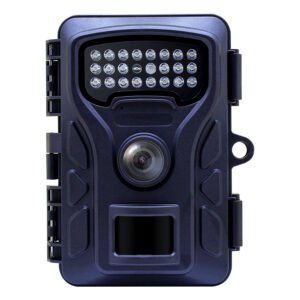
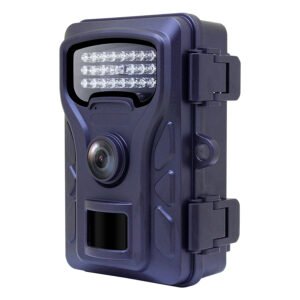
| A simple first camera for the garden | Stealth Gear Bat 4K | Easy menu, 4K video, 20 m night vision. Take out the SD card to watch the clips. |
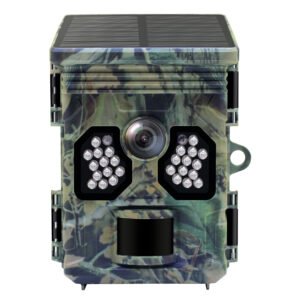
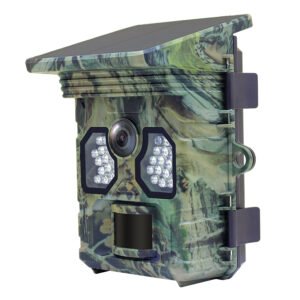
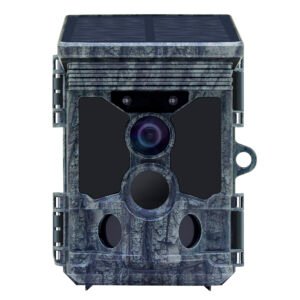
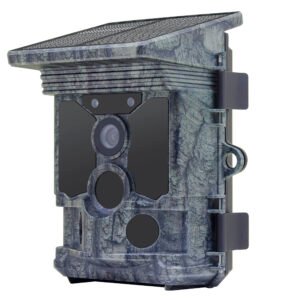
| No battery changes | Stealth Gear Racoon Solar 4K | Built-in solar panel charges the battery. Good for a camera you leave out for weeks. |
| Watch clips on your phone at the camera | Stealth Gear Fox Solar 4K WiFi or Owl Solar 4K WiFi | Connect your phone to the camera by WiFi and download clips — no need to open the camera or remove the card. Owl is smaller and easier to hide. |
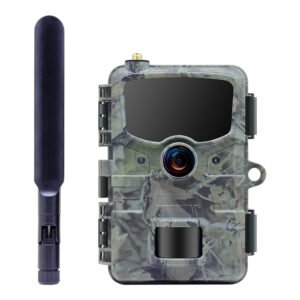
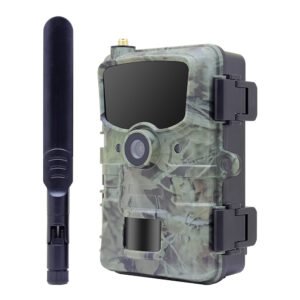
| Clips sent to your phone from far away | Stealth Gear Hedgehog 4G | Uses a mobile SIM card to send alerts and footage to your phone. Best for a field, farm or wood you don’t visit often. |
WiFi or 4G — what’s the difference? WiFi works only when you stand near the camera (it makes its own small network). 4G works from anywhere, but needs a SIM card with data and good mobile signal at the camera spot.
2. How to set up your camera — step by step
- Put in the SD card first. Use a good, fast card (U3 / V30 is best for 4K). Format it inside the camera from the menu before first use.
- Charge or power it. Charge fully at home. For solar models, the panel should get open sky — in Ireland, face it towards the south.
- Set date and time. Then every clip shows when the animal came.
- Find a path. Animals use the same routes every night: gaps in hedges, holes under fences, along walls and ditches, the edge of a field. Look for flattened grass, footprints and droppings.
- Height and distance. Strap the camera to a tree or post about 50–100 cm high for foxes, badgers and deer. For hedgehogs go lower, about 30 cm. Stand it 2–5 m from where you expect the animal.
- Angle it a little down, and point it north if you can, so the low sun doesn’t shine into the lens and set it off.
- Clear the view. Cut back long grass or branches in front of the camera. Moving leaves cause lots of empty clips.
- Do a walk test. Walk past on hands and knees, then check the clip. Move the camera if you’re not in the picture.
- Leave it for a few nights. Check every 1–2 weeks. Each visit leaves your smell, so don’t check every day.
3. Best settings for good clips
- Mode: video gives you the most fun. Photo + video is good if you want both.
- Video length: 15–20 seconds. Longer clips fill the card and use more battery.
- Interval / delay: 10–30 seconds between clips. Shorter means you catch more, but uses more battery.
- Sensor sensitivity: “medium” in summer. “High” in cold weather or for small animals like hedgehogs.
- Resolution: 4K looks great but makes big files. 1080p is fine for most garden clips and saves space.
4. What can I see with a wildlife camera in Ireland?
- Fox — seen in almost every garden, town or country. Most active from dusk to dawn.
- Badger — follows the same paths every night. Look for wide, worn tracks and snuffle holes in the lawn.
- Hedgehog — garden visitor from spring to autumn. Set the camera low near a hedge or a hole in the fence.
- Pine marten — more common now in many counties, often near woods.
- Deer — at the edges of woods and fields, mostly at dawn and dusk.
- Otter — on river and lake banks. Look for paths into the water.
- Birds and red squirrels — point the camera at a feeder in daylight.
Tip: a small amount of food helps. Use a little dog or cat food for foxes and badgers, and special hedgehog food for hedgehogs. Never give hedgehogs milk or bread.
5. Simple rules to follow
- Respect privacy. Point the camera at wildlife, not at a neighbour’s house, garden, a path or a road. If it can film people outside your own property, data protection rules can apply.
- Ask first before you put a camera on land that isn’t yours.
- Don’t disturb animals. Many Irish animals and their homes are protected by the Wildlife Acts — keep away from nests, badger setts and bat roosts. Put the camera on the path, not at the entrance.
- Lock it up. In public places use a cable lock so nobody takes it.
6. Useful extras
- A spare SD card, so you can swap cards and watch at home.
- Camouflage nets and covers from our hide accessories.
- Choosing binoculars? Read our free binoculars guidebook.
- Want to watch with your own eyes? See our binoculars and night vision and thermal range.
7. Common questions
Why do I get empty clips?
Usually moving branches, grass or sun. Clear the view, point it north, and lower the sensitivity.
Why are night clips white or blurry?
Something is too close to the lens (a leaf or branch) and the infrared light bounces back. Clear 1–2 m in front of the camera.
Will the light scare animals?
Our cameras use infrared at night. Animals can’t see it well, and most don’t react at all.
Does a solar camera work in Irish weather?
Yes. The panel still charges on cloudy days, just slower. The built-in battery keeps it going at night and on dull days. Give the panel open sky.
Do I need a SIM card?
Only for the 4G model (Hedgehog 4G). The other cameras don’t need one.
How long does delivery take?
Usually 3–6 working days by DPD, with tracking. Delivery in Ireland is €19, or free over €300. See our delivery information.
Still not sure which one to choose? Send us a message — tell us where you want to put the camera and what you hope to see, and we’ll give you honest advice.